Not sure where to start?
Guides to the questions people ask first, each with its sources.
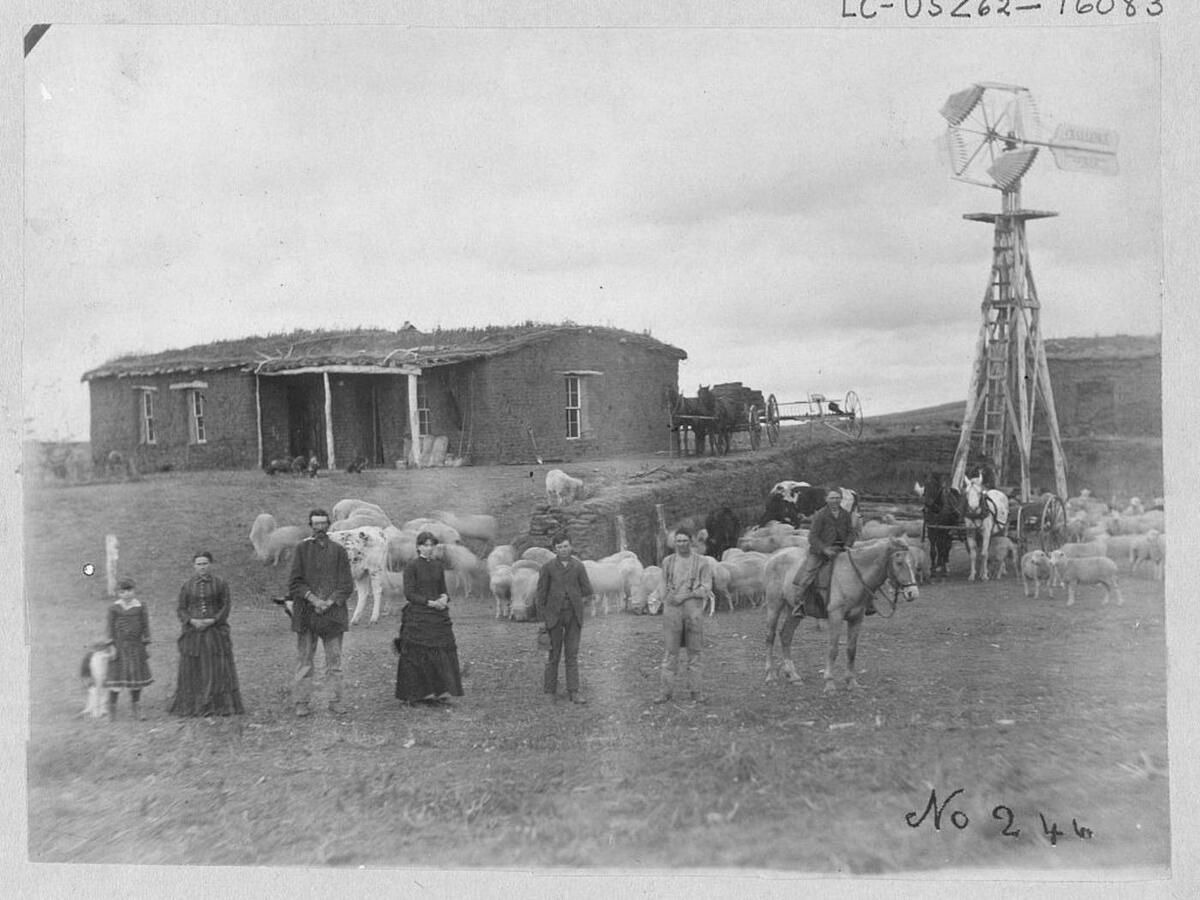
How to find your great-grandparents
You have eight great-grandparents, and you can usually find them in three steps.
Read the guide →
What is a GEDCOM file, and how to get yours
A GEDCOM file (.ged) is your family tree saved in the one format every family-tree program understands.
Read the guide →
How to use FamilySearch, and what to ask it
FamilySearch is free: there's only one kind of account, and it costs nothing.
Read the guide →
How to find where your ancestors came from
Work back through your family until you reach the person who arrived, then look for the three records that say where they came from.
Read the guide →
Start a family tree from almost nothing
Start with yourself and go back one generation at a time. One name and a rough date is enough to begin.
Read the guide →
Is AI genealogy accurate? What to check
It can be, when it answers from records and says which ones.
Read the guide →
Cousin chart: second cousin once removed
A second cousin is someone who shares a set of great-grandparents with you, and "once removed" means you are one generation apart.
Read the guide →
How to read a census record
A census record shows one household on the day the census was taken: who lived there, how old they were, where they were born.
Read the guide →
How to find an ancestor's death certificate
A death certificate is kept by the state or county where the person died, not the federal government.
Read the guide →
Free family tree template to print
You, your parents, your four grandparents and your eight great-grandparents, on one page. No account and no email.
Read the guide →
Questions to ask your grandparents
Ask about something specific: a kitchen, a first job, a day they still remember. Here are 50 to choose from.
Read the guide →
How to find an old obituary, free
Start with FamilySearch, then Chronicling America, free newspaper pages through 1963, then your public library.
Read the guide →
What does my last name mean?
Most last names began as a father's name, a job, a place or a nickname. And there's no coat of arms for a surname.
Read the guide →
FamilySearch vs Ancestry: which to use
FamilySearch is free, with one shared family tree. Ancestry charges for most records, and you keep your own tree.
Read the guide →
Storyworth alternatives for a family gift
Storyworth asks someone to write for a year. Remento asks them to talk. Ancestral Fire starts from the family already on record.
Read the guide →
Is there a genealogy app for ChatGPT or Claude?
Yes. Add Ancestral Fire once, bring in your family, and ask about them in the AI you already use.
Read the guide →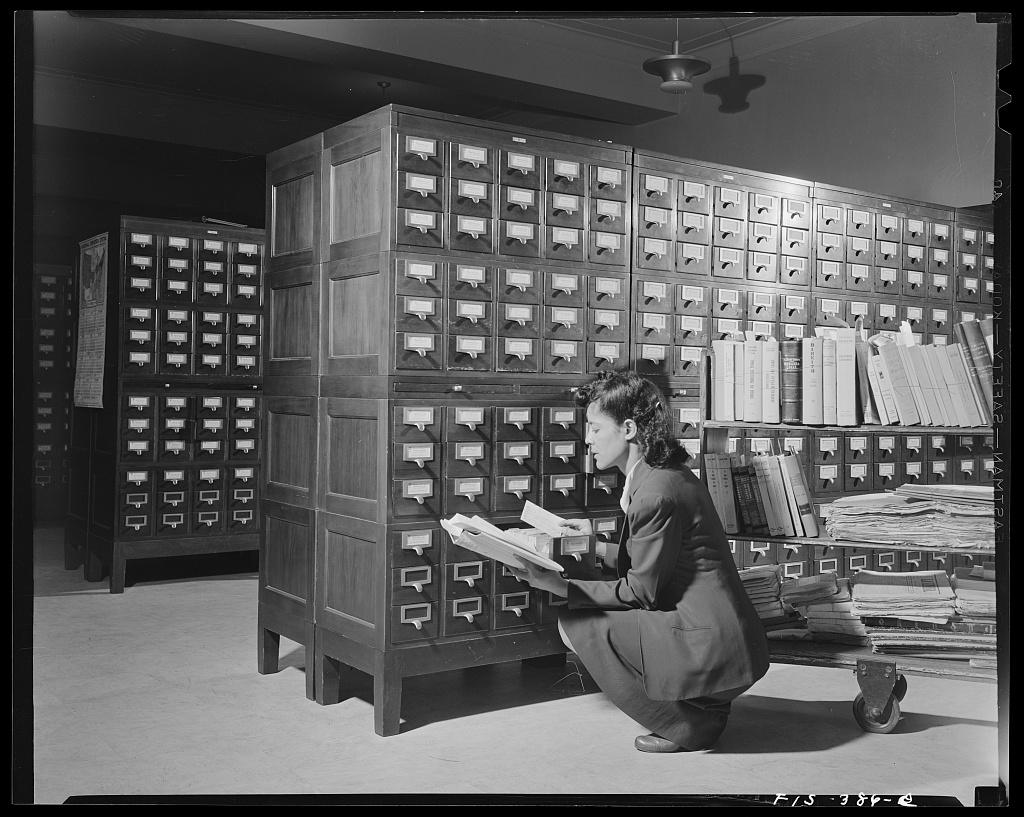
Free alternatives to Ancestry
FamilySearch, WikiTree, Find a Grave, USGenWeb and Gramps are free. What each is good for, and what they can't replace.
Read the guide →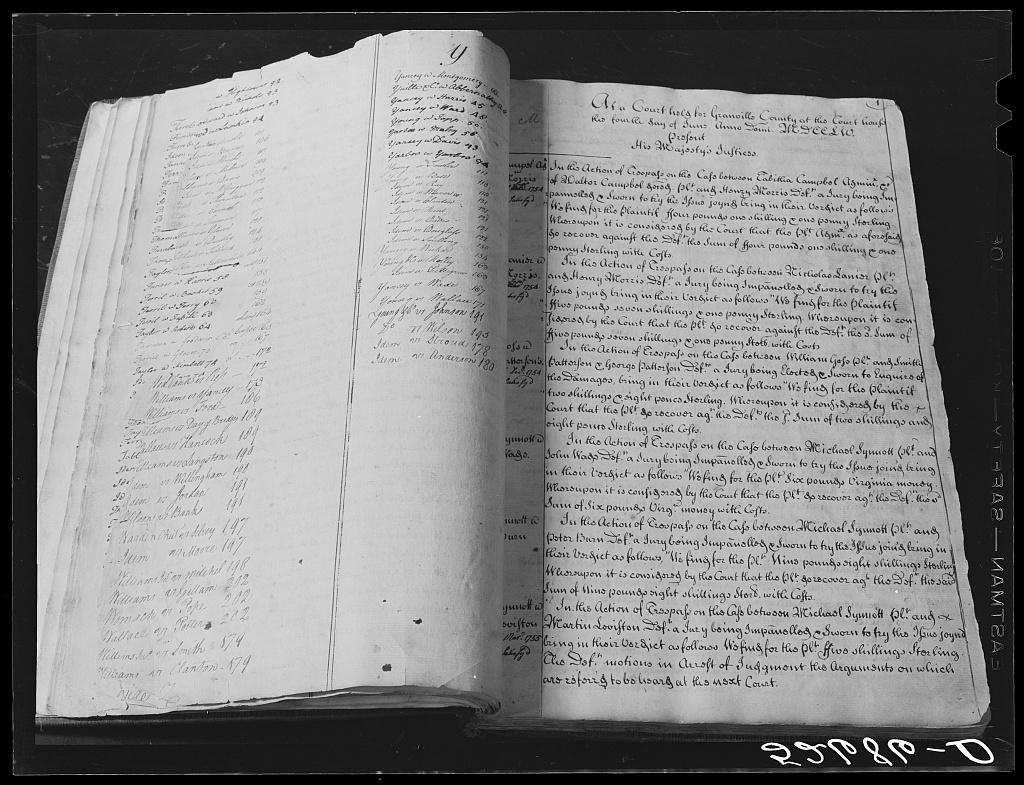
Free government records for family history
The 1950 census, land patents, Civil War soldiers and old newspapers, with no subscription.
Read the guide →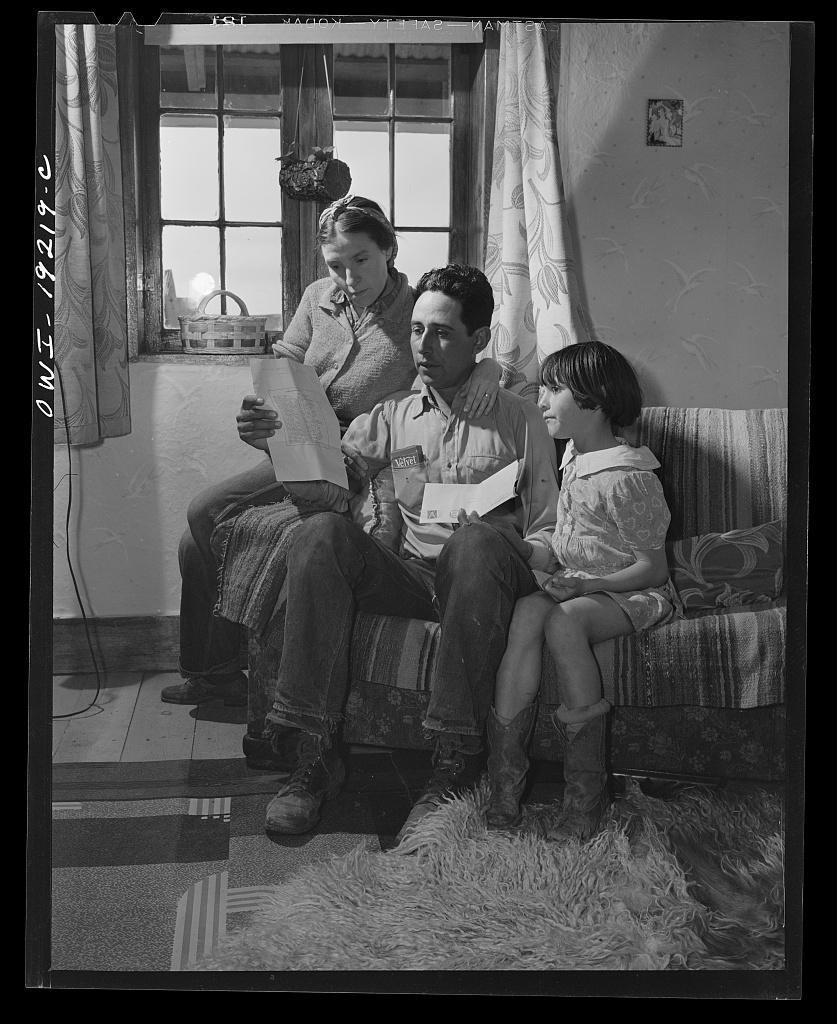
Genealogy mistakes that keep you stuck
Copying a tree, trusting an index, searching one spelling. Seven common mistakes and the simple fix for each.
Read the guide →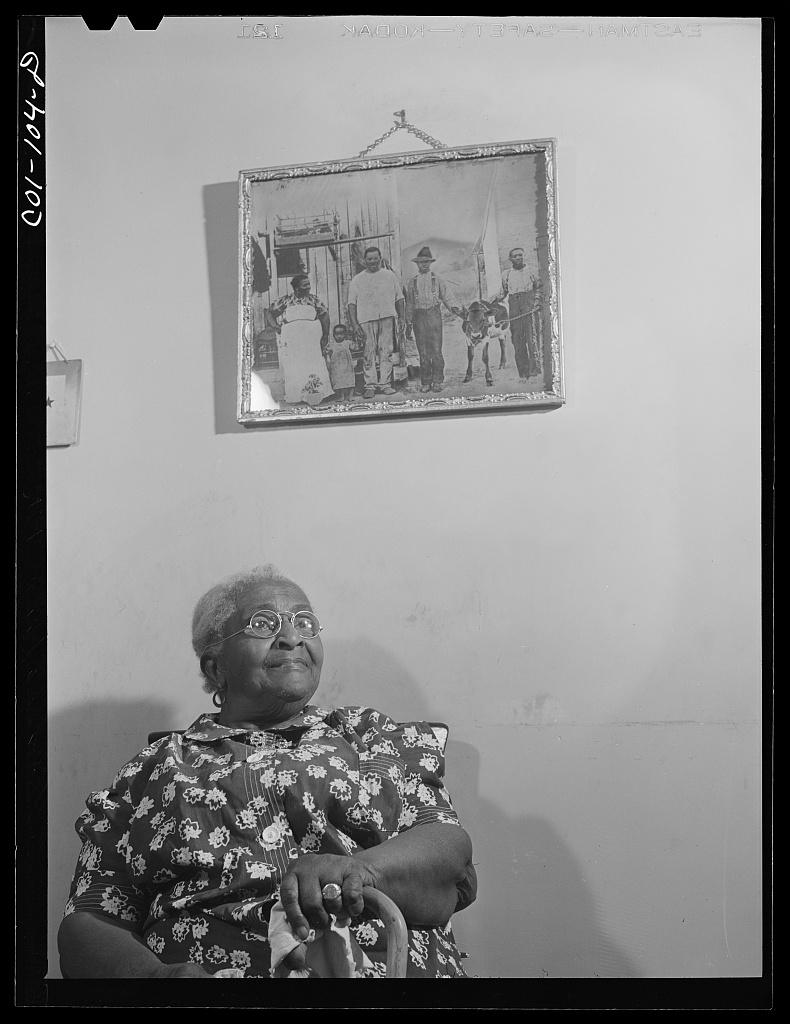
Records that aren't on Ancestry or FamilySearch
Courthouses, state archives, churches, local societies and old books. Where the rest of your family history is kept.
Read the guide →
Best family tree software, free and paid
Family Echo, RootsMagic Essentials, Gramps, Family Tree Builder and Family Tree Maker. What each is for, and what's free.
Read the guide →
What happens to your family tree when you die
Ancestry, MyHeritage, FamilySearch and the files on your computer each work differently. Six things to do now so your work lasts.
Read the guide →
How to get your family interested in family history
Put the chart away and tell one story. Ten ways to do it, and what the research says about children who know their family's stories.
Read the guide →
What to do with boxes of old family photos
Ask who's in them first. Then how to sort, label, scan and store them, using the Library of Congress's advice.
Read the guide →Family history and privacy: what's safe to look up
The records of people who have died are open to anyone. How living relatives stay private, on FamilySearch and with us.
Read the guide →Or skip the steps: Ancestral Fire does them with you.
Photographs from the Library of Congress: Solomon D. Butcher, 1886; Arthur Rothstein, 1938; Ben Shahn, 1935; Edward S. Curtis, about 1929; unattributed, 1925 to 1930; Jack Delano, 1940; Russell Lee, 1938; Lewis Wickes Hine, 1911; Russell Lee, 1939; Solomon D. Butcher, 1886; Gordon Parks, 1942; John Vachon, 1938; Albert Freeman or Howard Hollem, 1944; Marion Post Wolcott, 1939; Marjory Collins, 1943; Jack Delano, 1940; unattributed, 1942; Marion Post Wolcott, 1939; John Collier, Jr., 1943; Jack Delano, 1942; unattributed, 1942; Jack Delano, 1940; John Collier, Jr., 1941; Jack Delano, 1942 and Marjory Collins, 1943.